
Exterior Wall Preparation — The Step-by-Step Guide for Pakistani Homes
Ninety percent of exterior paint failures are caused by poor surface preparation. Here is the professional-grade preparation process that makes your exterior paint last for years.
Why Your Exterior Paint Failed
Walk through any neighbourhood in Pakistan and you will see the same sad story — homes where the exterior paint is peeling, cracking, fading, or bubbling within months of being applied. The paint itself might be perfectly good. The application might be flawless. But if the wall surface was not properly prepared, the paint does not stand a chance. Exterior walls in Pakistan face the harshest conditions imaginable — intense UV radiation, monsoon rains, dust storms, temperature swings from near freezing to over fifty degrees, and airborne pollutants. If the surface is not perfectly prepared, these forces will tear the paint apart.
The good news is that proper exterior wall preparation is not complicated. It is a systematic process that any homeowner or painter can follow. The bad news is that most people skip steps, take shortcuts, or simply do not know what the correct process looks like. Here is the complete, step-by-step guide to preparing exterior walls for painting in Pakistani conditions, based on techniques used by professional painters across the country.
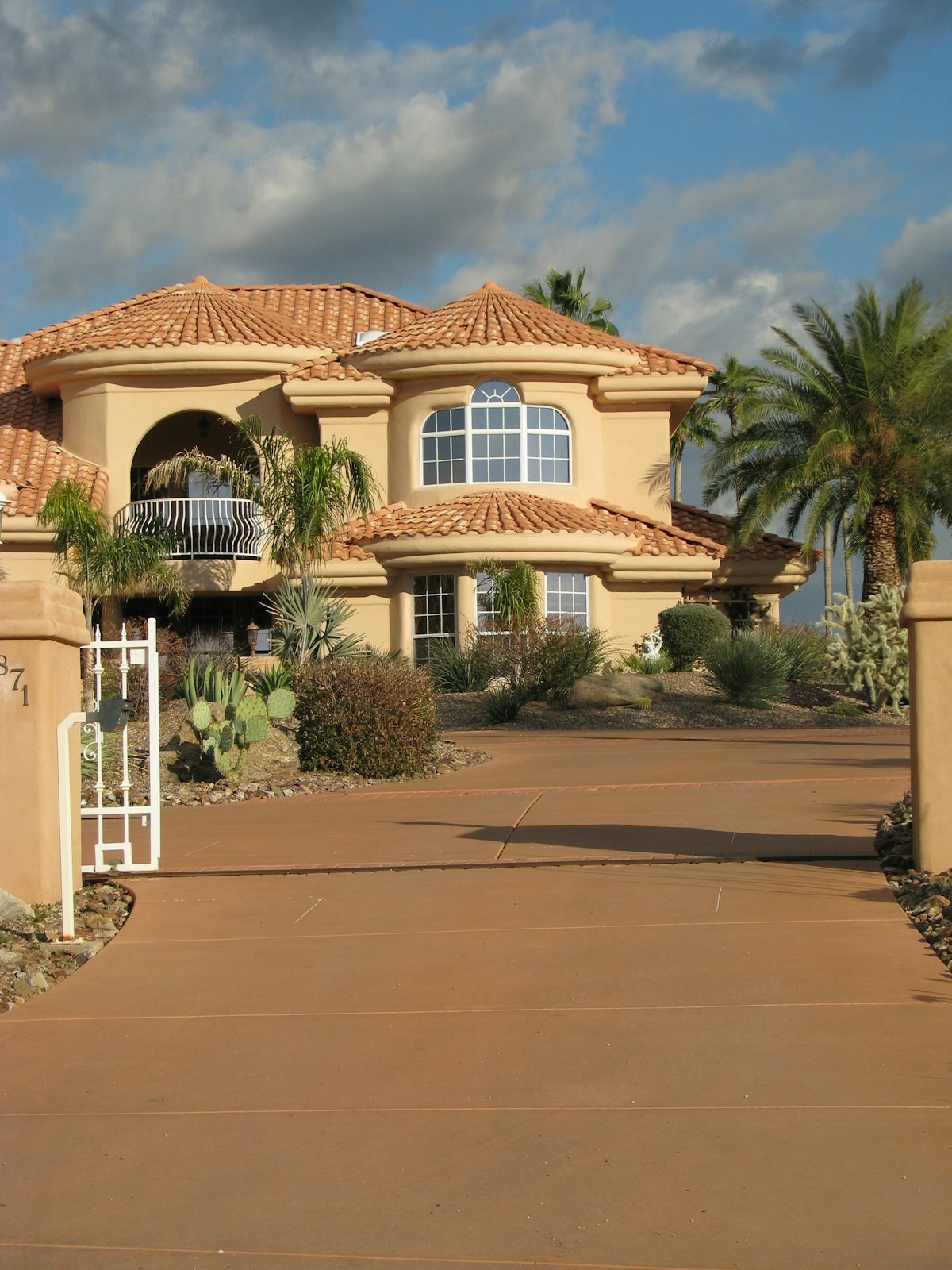
Step 1: Assess the Surface
Before you do anything else, examine your exterior walls carefully. Look for cracks, holes, loose plaster, efflorescence (white powdery deposits), mold or mildew, and any signs of previous paint failure. Each of these problems needs a specific treatment. Cracks need to be widened, cleaned, and filled with flexible filler. Holes need to be patched with cement mortar. Loose plaster needs to be removed and replaced. Efflorescence needs to be brushed off and the source of moisture identified and stopped. Mold needs to be treated with a bleach solution. And previous paint failures mean the old paint must be completely removed.
Use a metal scraper to test the adhesion of any existing paint. If the paint comes off easily, it is failing and must be removed. If it stays firmly attached, you may be able to paint over it after proper cleaning and sanding. This assessment step is critical because problems that are hidden beneath a new coat of paint will eventually reappear, often more severely than before.
Step 2: Clean Thoroughly
Pakistani exterior walls accumulate an impressive amount of dirt, dust, grease, and biological growth between paint jobs. This layer of contamination must be completely removed before any repair or painting work begins. Start by dry brushing the entire surface with a stiff-bristled brush to remove loose dust and dirt. Then wash the walls with a solution of water and mild detergent, using a soft brush or sponge to reach into every crevice. Rinse thoroughly with clean water.
For walls with stubborn stains, grease marks, or biological growth like algae or moss, use a solution of one part bleach to three parts water. Apply it to the affected areas, let it sit for fifteen minutes, then scrub and rinse thoroughly. The bleach kills any organic growth and prevents it from returning. After cleaning, allow the walls to dry completely — this takes at least 48 hours in good weather and longer in humid conditions. You can find professional-grade cleaning products at any Superlac dealer — check our dealerships page for locations near you.
Step 3: Repair and Fill
Once the walls are clean and dry, it is time to address the structural issues you identified in step one. For cracks, use a crack-opening tool to widen the crack slightly, creating a V-shaped groove that allows the filler to grip properly. Remove all dust from the crack, apply a flexible crack filler, and press fiberglass mesh tape into the filler while it is still wet. Apply another layer of filler over the tape and smooth it flush with the wall surface. For larger holes and damaged areas, use cement mortar mixed with a bonding agent to ensure adhesion to the existing wall.
For efflorescence — those white, powdery deposits that appear on exterior walls — brush off the loose deposits with a stiff brush, then apply a solution of one part white vinegar to five parts water to neutralise the alkaline salts. Rinse thoroughly and allow to dry. If efflorescence reappears, it indicates an ongoing moisture problem that must be addressed at the source, possibly by improving drainage or repairing gutters. After all repairs are complete, apply a coat of Superlac Wall Putty to create a smooth, uniform surface for painting. The putty fills minor imperfections and creates the ideal base for the primer.
Step 4: Prime the Surface
Primer is not optional on exterior walls. Superlac Acrylic Primer seals the surface, prevents the alkaline salts in the cement plaster from reacting with the paint, and provides a uniform substrate for the topcoat. Apply one full coat of primer and allow it to dry for at least six hours. In humid conditions, allow more drying time. The primer should be applied evenly, covering every square inch of the wall surface. Pay special attention to areas where repairs were made, as these areas are more porous and will absorb more primer.
The primer also serves as an indicator of surface readiness. If the primer absorbs unevenly — dark in some areas and light in others — it means the surface porosity is inconsistent and may need a second coat of primer. If the primer beads up or runs off in certain areas, it means there is contamination on the surface that was not cleaned properly. Address these issues before proceeding to the topcoat. For the complete range of Superlac surface preparation products, visit our products page.
Step 5: Apply the Topcoat
With the surface properly prepared and primed, you are finally ready to apply your exterior paint. Use Superlac Weather Defender for the best combination of durability, UV resistance, and weather protection. Apply the first coat slightly thinned with about ten percent water to help it penetrate and bond with the primer. Allow it to dry for four to six hours, then apply the second coat at full strength. For homes in particularly harsh environments, a third coat provides additional protection.
The temperature during application matters. Paint should be applied when the ambient temperature is between 20 and 35 degrees Celsius and no rain is expected within 24 hours. In most of Pakistan, this means painting early in the morning during summer or midday during winter. Avoid painting in direct sunlight or when the wall surface is hot to the touch. Properly prepared and painted exterior walls should last five to six years before needing repainting. Use the AI Visualizer to see how different exterior colours will look on your home before you start the preparation process.
Expert Tip from Superlac Colour Specialists: The single most important tool for exterior wall preparation is patience. Rushing any of these steps will compromise the final result. Allow adequate drying time between each step, especially in humid weather. A paint job that takes two weeks to complete but lasts five years is far better than one that takes two days and needs repainting in two years.
Ready to give your home the exterior it deserves? Browse our full range of exterior paints and preparation products on our products page.
Have a Painting Question?
Our AI assistant Captain Superlac can help you choose the right paint, calculate quantities, and more.
Ask Captain SuperlacRelated Guides
Continue reading more expert advice

Exterior Paint Colour Combinations for Pakistani Homes
Your home's exterior is the first thing people see. Here is how to choose exterior colour combinations that look beautiful and suit Pakistani architecture.
Read More
Paint Maintenance Tips — Keeping Your Walls Beautiful for Years
A good paint job can last five to seven years with proper care. Here is how to maintain your painted walls so they stay beautiful for as long as possible.
Read More
Waterproofing Your Home's Exterior Walls — A Complete Guide
Water damage is the number one cause of exterior paint failure in Pakistan. Here is how to waterproof your walls properly and protect your home for years to come.
Read MoreReady to Transform Your Space?
Get expert advice and premium quality paints from Superlac. Contact us today for a free consultation.
Get Free Consultation