
Paint Colours That Make Small Rooms Look Bigger
Small rooms are a reality for many Pakistani homeowners. Here is how the right paint colours and techniques can make any room feel more spacious and open.
The Small Room Challenge
Not every Pakistani home has sprawling living rooms and master bedrooms. In apartments, in older homes, and in the smaller housing schemes that are common across Pakistan, many rooms are genuinely compact. A standard bedroom in a mid-range apartment might be just ten by twelve feet. A guest room might be even smaller. For homeowners with small rooms, the challenge is making the space feel comfortable rather than cramped, and paint is the most powerful tool for achieving this.
The right paint colours can transform a small room, making it feel larger, brighter, and more open. The wrong colours can make even a generously sized room feel cramped and oppressive. Understanding the principles of how colour affects our perception of space is essential for anyone who wants to make the most of their home, regardless of its size. And the good news is that these principles are simple to apply and work in any room, in any Pakistani home.
The Light Colour Principle
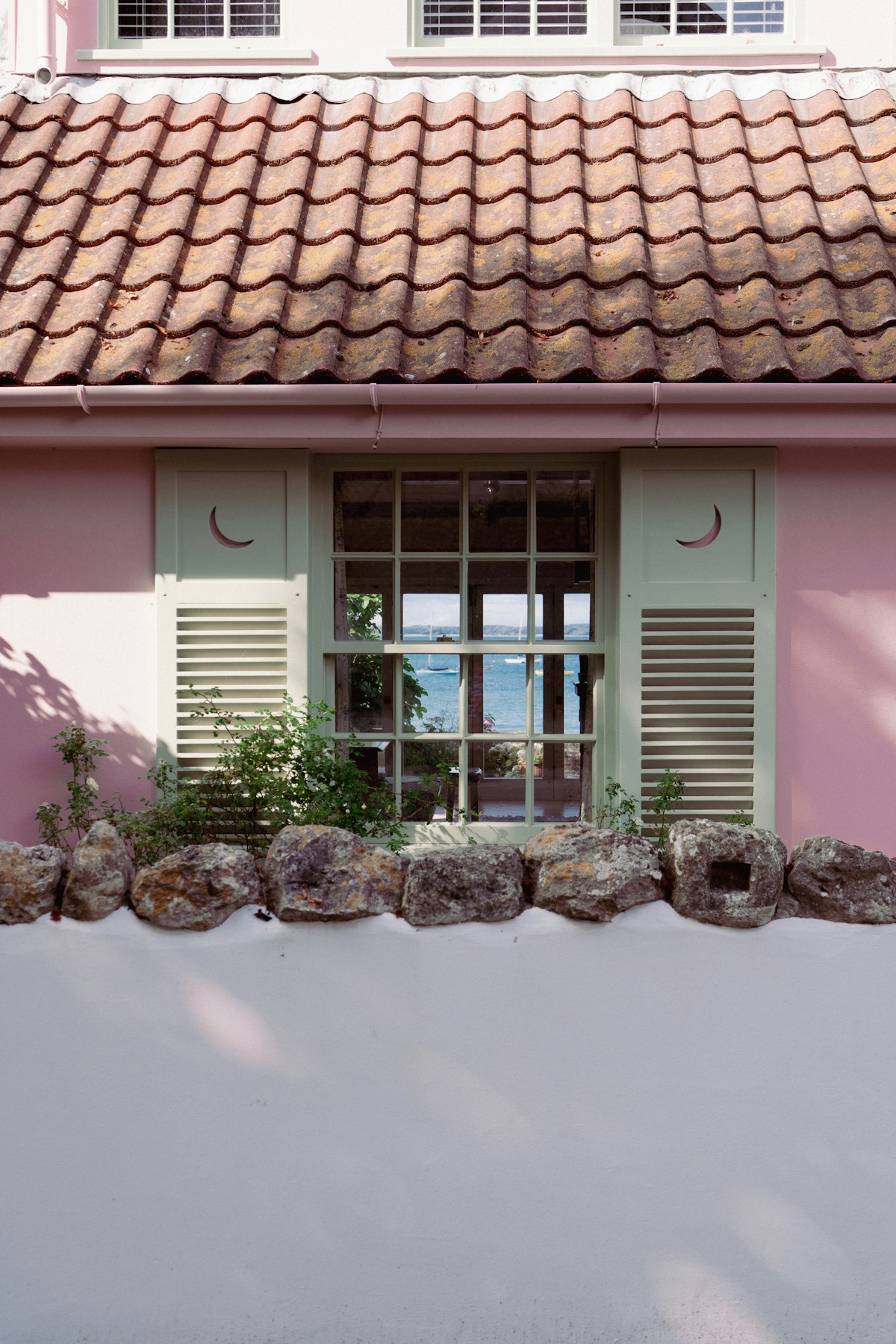
The most fundamental rule of painting small rooms is that light colours make spaces feel larger. Light colours reflect more light than dark colours, which makes the room feel brighter and more open. White is the most obvious choice, but it is not the only option. Soft pastels — pale blue, light sage green, soft blush, and buttery yellow — all reflect light well while adding a touch of personality to the room. These colours are particularly effective in rooms with limited natural light, where they maximise the available light and make the space feel airy.
When choosing a light colour for a small room, pay attention to the undertone. A pale blue with a cool undertone can make a room feel crisp and refreshing, while a pale yellow with a warm undertone creates a cosy, welcoming atmosphere. The right undertone depends on the room's orientation and natural light. North-facing rooms benefit from warm-toned light colours that counteract the cool light. South-facing rooms handle cooler-toned colours well. Superlac offers dozens of light, airy shades that are perfect for small rooms — explore them on our shades page.
The Monochromatic Approach
One of the most effective techniques for making a small room feel larger is the monochromatic colour scheme. This involves painting the walls, ceiling, and trim in varying shades of the same colour — the walls in a medium shade, the ceiling in a lighter shade, and the trim in the lightest shade. The lack of contrast between the different surfaces creates a seamless visual flow that makes the room feel larger. The eye is not stopped by sharp colour transitions, so the space feels continuous and open.
In a small bedroom, painting the walls in Superlac Matt Emulsion in a soft warm grey and the ceiling in an even lighter shade of the same grey creates a serene, spacious feel. The subtle difference between the wall and ceiling colours adds depth without creating visual breaks. For a more dramatic monochromatic scheme, try a deep colour on the walls with a much lighter version of the same colour on the ceiling — the deep walls recede visually, making the room feel larger, while the light ceiling keeps the space from feeling dark.
Techniques That Add Depth
Beyond colour choice, several painting techniques can make a small room feel larger. Painting vertical stripes on one wall creates the illusion of height, making a room with a low ceiling feel taller. The stripes should be a slightly different shade of the same colour — think warm white and cream — to create a subtle effect that does not overwhelm the room. Horizontal stripes, conversely, can make a narrow room feel wider, though this technique requires careful planning to avoid making the room feel busy.
Another effective technique is to paint the ceiling a slightly darker colour than the walls. This may sound counterintuitive, but a darker ceiling appears to recede, making the walls feel taller and the room feel more spacious. This technique works best in rooms with high ceilings where you want to create a cosy, intimate feel without sacrificing the sense of space. If you are unsure which technique will work best in your room, the AI Visualizer allows you to experiment with different colours and techniques before committing.
Frequently Asked Questions
Should I paint a small room white?
White is always a safe choice for small rooms, but it is not the only option. Soft pastels and light neutrals can be equally effective while adding more character to the space. The key is to choose a colour with a light reflectance value above sixty percent.
Can dark colours work in small rooms?
Dark colours can work in small rooms if used strategically. A dark accent wall can add depth and drama, while the other walls remain light to maintain a sense of openness. Dark colours on the ceiling can make a room feel cosy and intimate.
Does glossier paint make a room feel larger?
Yes, to some extent. Glossier finishes reflect more light than matte finishes, which can make a room feel brighter and more spacious. However, glossier finishes also show wall imperfections more readily, so they are best used on perfectly smooth walls.
Expert Tip from Superlac Colour Specialists: One of the simplest tricks for making a small room feel larger is to paint the window frame the same colour as the wall. This makes the window appear larger and creates a seamless transition between the wall and the outdoors, visually expanding the room.
Transform your small room with the power of colour. Browse our shades page for inspiration and use the AI Visualizer to see how different colours will look in your space.
Have a Painting Question?
Our AI assistant Captain Superlac can help you choose the right paint, calculate quantities, and more.
Ask Captain SuperlacRelated Guides
Continue reading more expert advice

Colour Matching Tips ? Coordinate Wall Colours Throughout Your Home
A cohesive colour scheme ties your home together. Here is how to choose wall colours that flow beautifully from room to room.
Read More
Bedroom Paint Ideas for Peaceful Sleep
Your bedroom colour affects how well you sleep. Here is how to choose paint colours that promote rest and relaxation in your Pakistani home.
Read More
Bathroom Painting Guide — Moisture-Proof Colours and Finishes
Bathrooms are the most challenging room to paint in any Pakistani home. Here is how to choose paint that withstands humidity, steam, and moisture.
Read MoreReady to Transform Your Space?
Get expert advice and premium quality paints from Superlac. Contact us today for a free consultation.
Get Free Consultation