
Quetta Home Painting Guide — High Altitude, High Standards
Quetta's unique high-altitude climate and Balochi cultural heritage require a specialised approach to home painting. Here is your complete guide to painting in the capital of Balochistan.
Painting at Pakistan's Highest Altitude
Quetta is unlike any other Pakistani city. Sitting at an elevation of 1,680 metres above sea level, surrounded by the rugged hills of Balochistan, the city has a climate that is more Central Asian than South Asian. The summers are mild, the winters are cold with frequent snowfall, and the air is dry and clear. These conditions create unique challenges and opportunities for home painting that are completely different from what homeowners in Lahore, Karachi, or Islamabad experience.
The high altitude means that UV radiation is significantly more intense in Quetta than in lowland cities. The dry air means that paint dries faster, which affects application techniques. The cold winters mean that exterior paint must be able to withstand freezing temperatures and snow. And the cultural context — the rich Balochi tradition of colour and design — means that Quetta homeowners have a distinct aesthetic sensibility that should be reflected in their colour choices. Understanding these factors is the key to a paint job that looks beautiful and lasts in Quetta's unique environment.
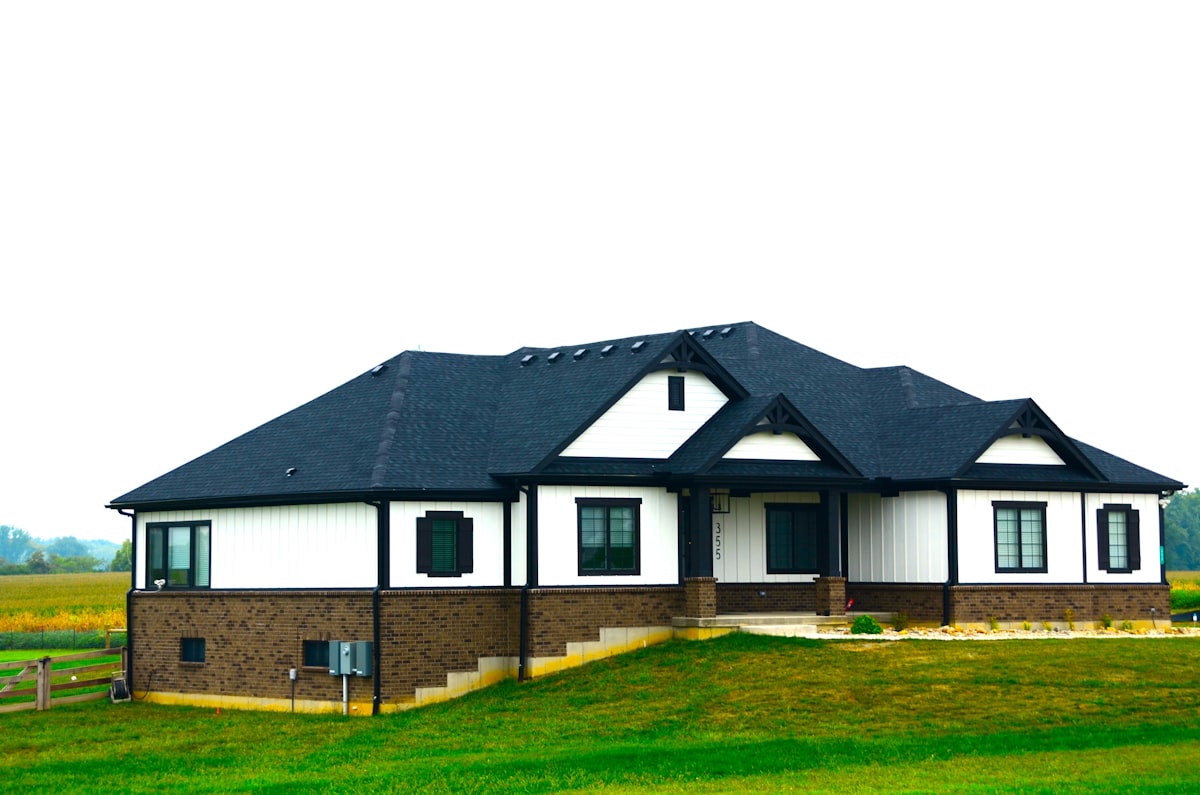
Colours for Quetta's Landscape
Quetta's natural landscape — the brown and ochre hills, the blue sky, the green orchards in the surrounding valleys — provides a stunning backdrop for home colours. The colours that work best in Quetta draw from this landscape. Warm earth tones — terracotta, ochre, sandstone, and warm brown — create homes that feel rooted in the Balochi landscape. These colours look magnificent in Quetta's clear, bright light, maintaining their richness and depth without appearing washed out.
For interior walls, the cool winters of Quetta make warm, inviting colours particularly appealing. Rich reds, warm golds, and deep oranges create a cosy, fireside atmosphere that makes the winter months more bearable. In the summer, these warm colours can be balanced with cool accents in furnishings and accessories. For a more modern look, sophisticated neutrals like warm grey, mushroom, and greige create elegant interiors that work with any design style. Browse the full range of Superlac colours on our shades page to find the perfect shades for your Quetta home.
High Altitude Considerations
The intense UV radiation at Quetta's altitude means that paint pigments degrade faster than at lower elevations. This is particularly true for exterior walls, which are exposed to direct sunlight for most of the day. Using a paint with maximum UV protection is essential. Superlac Weather Defender is formulated with UV-resistant pigments that maintain their colour even under the intense high-altitude sun, making it the ideal choice for Quetta's exterior walls.
The dry air in Quetta also affects how paint dries and cures. Paint dries faster in dry conditions, which means you have less working time and must be more efficient in your application. The fast drying can also cause lap marks — visible lines where the edge of a painted section has dried before the adjacent section was painted. To avoid this, work in smaller sections and maintain a wet edge at all times. For interior walls, Superlac Matt Emulsion performs excellently in Quetta's dry conditions, providing a beautiful matte finish that hides the minor imperfections that are inevitable in high-altitude painting. Visit our products page to explore the full product range.
Winter-Proofing Your Paint
Quetta's winters are the most challenging in Pakistan for exterior paint. Temperatures frequently drop below freezing, snow falls regularly, and the freeze-thaw cycle puts tremendous stress on paint films. Moisture that seeps into microscopic cracks in the paint freezes, expands, and creates larger cracks that become visible when the ice melts. Over multiple winters, this process can destroy an exterior paint job completely.
The solution is to create a paint system that is flexible enough to accommodate the expansion and contraction caused by freezing and thawing. Start with a flexible sealant on all cracks and joints, apply Superlac Acrylic Primer to seal the surface, and then apply two coats of Superlac Weather Defender, which remains flexible even in freezing temperatures. The key is to ensure that every layer of the paint system has some flexibility, so the system moves as a whole rather than having a rigid topcoat crack over a flexible base. For personalised advice on painting in Quetta's climate, contact our team.
Expert Tip from Superlac Colour Specialists: In Quetta, the best time for exterior painting is between April and June or between September and October. These periods offer mild temperatures and low humidity, creating ideal conditions for paint to cure properly. Avoid painting during the winter months, when temperatures near freezing prevent paint from curing correctly.
Your Quetta home deserves paint that matches the majesty of its surroundings. Browse our product range and find the perfect colours for every surface.
Have a Painting Question?
Our AI assistant Captain Superlac can help you choose the right paint, calculate quantities, and more.
Ask Captain SuperlacRelated Guides
Continue reading more expert advice

Karachi Home Painting Guide — Humidity-Proof Your Walls
Karachi's coastal humidity and sea breeze pose unique challenges for home painting. This guide covers everything you need to know to keep your walls looking fresh in Pakistan's largest city.
Read More
Islamabad Home Colour Guide — Best Shades for Capital Homes
Islamabad's unique architecture and natural surroundings call for a distinct color palette. Discover the best paint shades for your capital city home, from Margalla-inspired greens to modern neutrals.
Read More
Sialkot Home Painting Guide — Elegance for the City of Sports
Sialkot's global exports and affluent homeowners demand a higher standard of home finishing. Here is how to choose paint that matches the city's international outlook.
Read MoreReady to Transform Your Space?
Get expert advice and premium quality paints from Superlac. Contact us today for a free consultation.
Get Free Consultation