
How to Prepare Walls for Painting — A Step-by-Step Guide
Wall preparation determines the success of your paint job more than the paint itself. Here is the professional-grade wall preparation process that guarantees a flawless finish.
The Foundation of a Perfect Paint Job
Every professional painter in Pakistan will tell you the same thing — the quality of your paint job depends ninety percent on surface preparation and ten percent on the paint itself. This may sound surprising, but it is absolutely true. You can buy the most expensive Superlac paint in the most beautiful colour, apply it with the finest brushes and rollers, and still end up with a disappointing result if the walls were not properly prepared. The paint is only as good as the surface it is applied to.
In Pakistani homes, wall surfaces present multiple challenges. New plaster is highly alkaline and must be neutralised and sealed. Old paint may be failing and must be removed or stabilised. Walls have cracks, holes, dents, and uneven patches that must be repaired. Dust, grease, and other contaminants must be thoroughly cleaned. And all of these issues must be addressed before a single drop of paint touches the wall. Here is the complete, step-by-step process for preparing walls for painting in Pakistani homes.
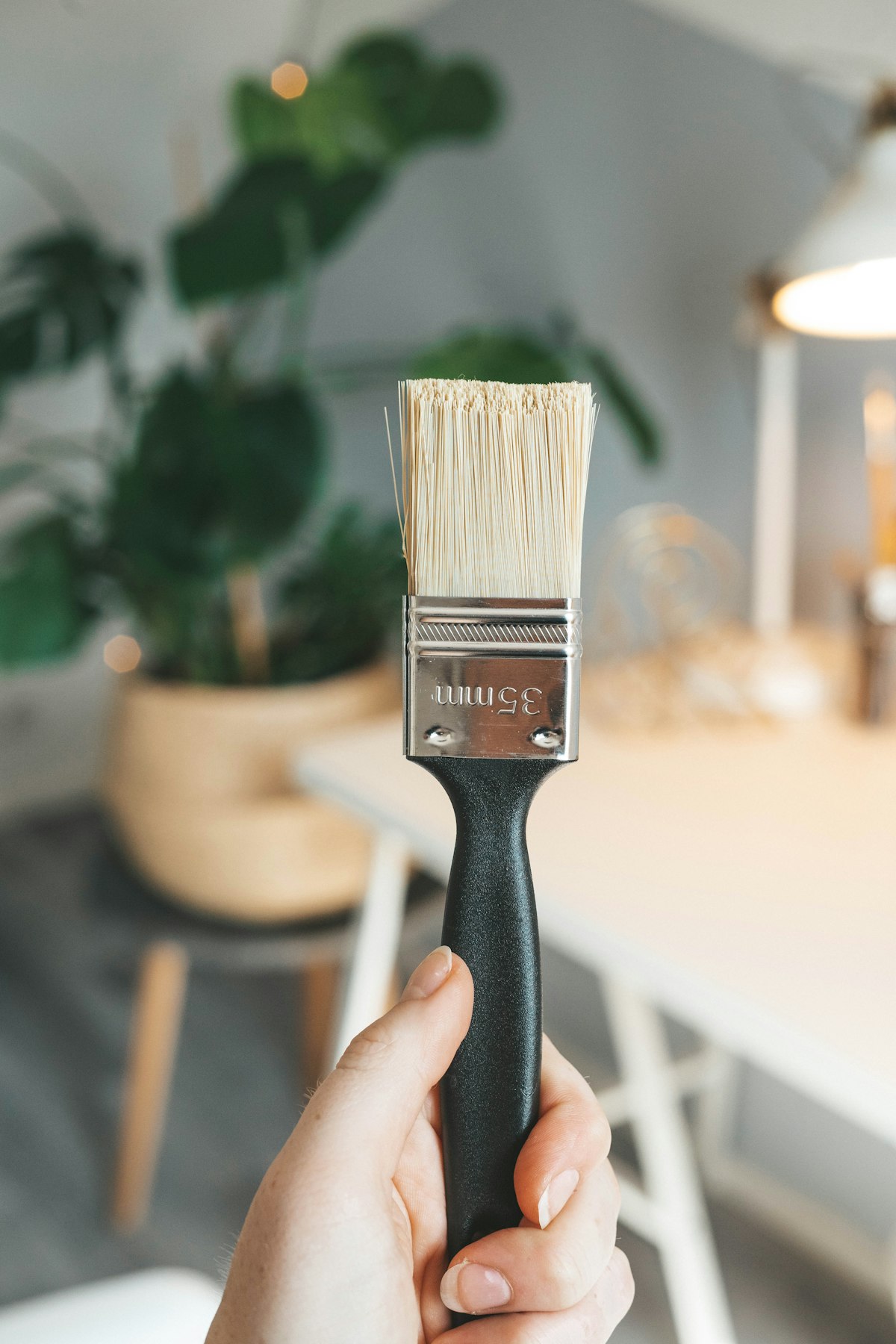
Step 1: Clear and Protect
Before any preparation work begins, clear the room of all furniture or move everything to the centre and cover it with dust sheets. Remove curtains, blinds, and wall hangings. Take down switch plates and outlet covers, and tape them with the screws taped to the plate so nothing gets lost. Cover the floor with heavy-duty dust sheets — canvas drop cloths are better than plastic because they do not slip and they absorb dust rather than letting it slide around.
Proper preparation of the room itself is often overlooked by DIY painters, but it makes the difference between a professional result and a messy one. Dust from sanding will get everywhere — on every surface, in every corner — so protect everything thoroughly. Good quality painter's tape applied carefully along edges and trim creates clean lines that make the finished job look professional. This preparation work takes time, but it saves hours of cleanup and touch-up work later.
Step 2: Clean the Walls
Pakistani walls accumulate dust, grease, and grime that must be removed before painting. Start by dry dusting the walls with a soft brush or vacuum cleaner with a brush attachment to remove loose dust and cobwebs. Then wash the walls with a solution of warm water and mild detergent. For kitchens and other areas with grease buildup, use a degreasing cleaner or a solution of water and white vinegar. For bathrooms, where soap scum and mildew are common, use a bathroom cleaner or a diluted bleach solution.
Rinse the walls thoroughly with clean water after washing — detergent residue can affect paint adhesion. Allow the walls to dry completely, which takes at least 24 hours in normal conditions. In humid weather, allow more drying time. You can test if the wall is dry by taping a square of plastic sheeting to it and leaving it overnight. If moisture has accumulated on the underside of the plastic in the morning, the wall is still too damp to paint.
Step 3: Repair and Fill
Inspect the walls carefully for any damage. Use a wide putty knife to fill small holes and dents with Superlac Wall Putty. For larger holes, use a patching compound and reinforce the area with mesh tape. For cracks, follow the crack repair process — widen the crack, clean it, apply flexible filler, and embed fiberglass mesh tape before applying another layer of filler and smoothing it flush with the wall surface.
After the filler has dried completely — allow at least four hours, but overnight is better — sand the repaired areas smooth using medium-grit sandpaper (120-grit). Sand the entire wall surface lightly to remove any roughness and create a uniform texture that the primer can grip. After sanding, wipe the walls with a damp cloth to remove all sanding dust. This step is crucial — dust left on the wall will contaminate the primer and cause adhesion problems. For the best results, use Superlac Wall Putty and Superlac Acrylic Primer as your preparation products. Find them on our products page.
Step 4: Prime the Walls
Primer is the most important step in wall preparation, yet it is the step that most DIY painters skip. Primer serves multiple essential functions. It seals the porous surface of the plaster or old paint, preventing the topcoat from absorbing unevenly. It provides a uniform surface for the paint to bond to, ensuring consistent colour and sheen across the entire wall. It blocks stains from bleeding through the new paint. And in the case of Superlac Acrylic Primer, it neutralises the alkaline salts in new plaster that can cause paint discolouration.
Apply one full coat of primer and allow it to dry completely — typically four to six hours, but overnight is better. If the wall surface is particularly porous or if you are painting over a dark colour with a light one, a second coat of primer may be necessary. After the primer has dried, lightly sand the surface with fine-grit sandpaper (220-grit) and wipe away the dust. Your walls are now perfectly prepared and ready for painting. With proper preparation, your paint job will look professional and last for years.
Frequently Asked Questions
Can I skip primer if I am using expensive paint?
No. Even the most expensive paint cannot compensate for poor surface preparation. Primer serves functions that paint is not designed for — sealing, stain blocking, and creating a uniform surface. Skipping primer is false economy.
How long should I wait between coats?
For primer, wait four to six hours between coats. For paint, follow the manufacturer's instructions — typically two to four hours for emulsion paints in normal conditions. In humid weather, allow more time.
Do I need to sand new plaster before painting?
Yes. New plaster should be sanded smooth, cleaned of dust, sealed with a dilute primer coat (known as a mist coat), and then primed properly before painting. Painting directly onto new plaster without this preparation guarantees paint failure.
Expert Tip from Superlac Colour Specialists: The quality of your sanding determines the quality of your finish. Use a sanding block — not just your hand — to ensure even pressure across the surface. And always sand in a circular motion, which creates a more uniform surface than sanding in straight lines.
Prepare your walls like a professional. Browse our complete range of preparation products on our products page.
Have a Painting Question?
Our AI assistant Captain Superlac can help you choose the right paint, calculate quantities, and more.
Ask Captain SuperlacRelated Guides
Continue reading more expert advice

How to Paint Exterior Walls Like a Professional
Exterior painting requires different techniques than interior work. Here is how Pakistani homeowners can achieve professional-quality exterior paint jobs.
Read More
Paint Finish Guide ? Choosing the Right Sheen for Every Room
The finish of your paint matters as much as the colour. Here is the complete guide to choosing the right paint sheen for every surface in your Pakistani home.
Read More
Living Room Paint Ideas for Entertaining
Your living room is where you welcome guests and create memories. Here is how to choose paint colours that make your living room warm and welcoming.
Read MoreReady to Transform Your Space?
Get expert advice and premium quality paints from Superlac. Contact us today for a free consultation.
Get Free Consultation